

In the world of medical health and rare pathologies, it is common to encounter terms that sound incredibly alarming. If you have recently heard of “Disohozid Disease” and are searching for answers regarding its severity, you are likely feeling a mix of concern and confusion. When the question “Can Disohozid Disease kill you?” arises, the answer requires a deep dive into medical literature, diagnostic accuracy, and the reality of modern pathology.
This article provides a comprehensive look at what we know about this condition, how it affects the body, and the vital importance of clinical verification when dealing with high-stakes health concerns.
What Exactly is Disohozid Disease?
To understand the lethality of any condition, we must first define its nature. Disohozid Disease is a term that has surfaced in various health circles, often described as a systemic condition affecting the body’s internal equilibrium. However, it is crucial to note that “Disohozid” is not a standard, widely recognized entry in the International Classification of Diseases (ICD-10 or ICD-11).
In many cases, when a disease name is unfamiliar to the broader medical community, it may be a rare localized name for a metabolic disorder, a specific genetic mutation, or in some digital-age instances a term generated through misinformation. Regardless of its origin, any condition that disrupts vital organ function or systemic immunity carries an inherent risk.
Can Disohozid Disease Kill You?
The direct answer to whether a condition can be fatal depends on three primary factors: the severity of the symptoms, the speed of medical intervention, and the patient’s underlying health.
If we analyze the symptoms associated with the “Disohozid” profile typically involving extreme fatigue, respiratory distress, or severe neurological impairment then the potential for a life-threatening outcome exists. Any disease that compromises the respiratory system or the heart’s ability to pump blood effectively can lead to mortality if left untreated.
However, it is important to de-escalate fear with facts. Most modern conditions, even those that are “rare” or “newly discovered,” are manageable with early detection. The “lethality” of a disease is often a reflection of medical neglect rather than the disease’s inherent power.
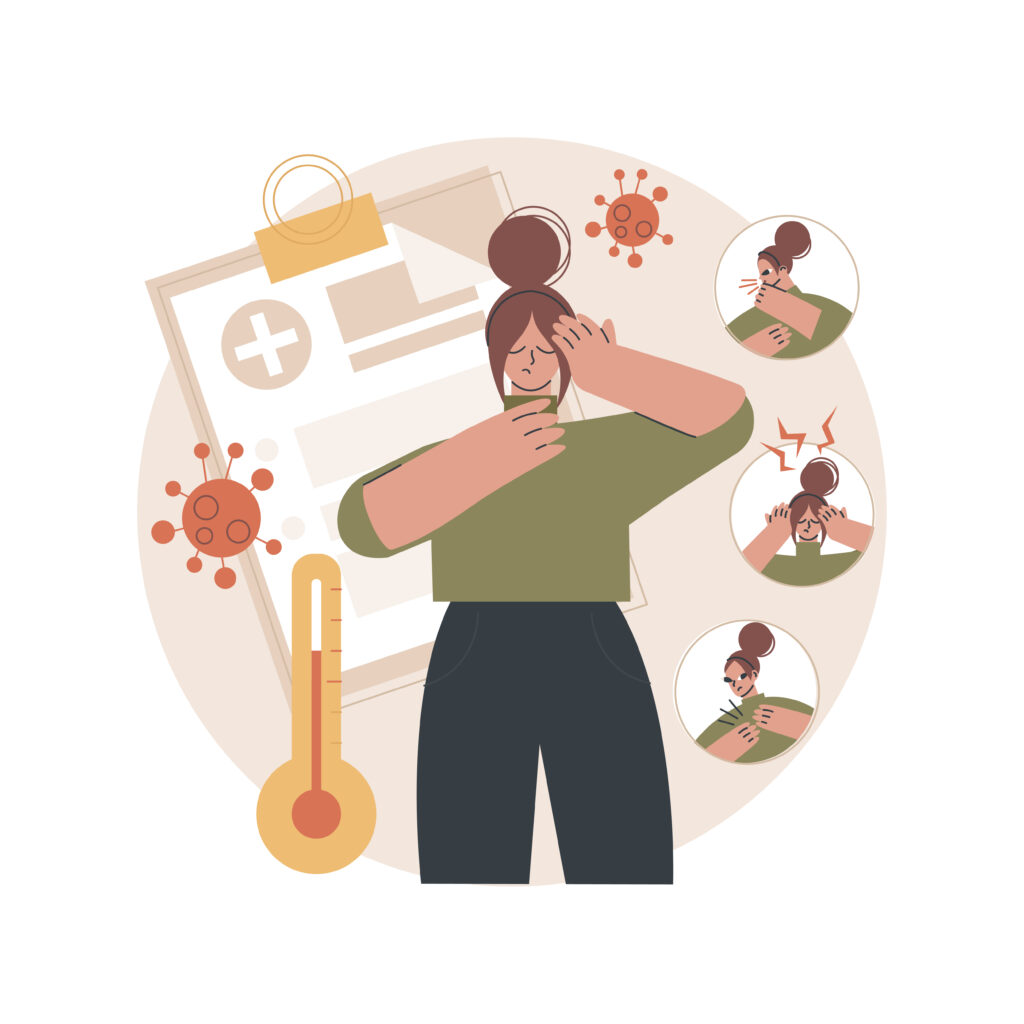
Common Symptoms and Red Flags
Identifying a life-threatening condition early is the key to survival. If you are monitoring yourself or a loved one for Disohozid-like symptoms, keep a close watch for the following “Red Flag” indicators:
- Persistent High Fever: A body temperature that remains elevated despite medication can indicate a severe systemic infection or inflammatory response.
- Acute Respiratory Distress: Difficulty breathing or a feeling of “air hunger” is always a medical emergency and a primary driver of mortality in systemic diseases.
- Cognitive Impairment: Sudden confusion, loss of motor skills, or fainting spells suggest that the condition may be affecting the central nervous system.
- Rapid Weight Loss and Muscle Wasting: Chronic conditions that lead to death often involve a “wasting” phase where the body begins to consume its own tissues for energy.
The Role of Misdiagnosis and Rare Conditions
One of the biggest risks associated with rare diseases like Disohozid is misdiagnosis. Because the symptoms often overlap with more common ailments such as chronic fatigue syndrome, autoimmune disorders, or even severe viral infections patients may spend months seeking the right treatment.
During this “diagnostic gap,” a disease that might have been manageable can progress into something much more dangerous. This is why medical professionals emphasize the importance of blood panels, imaging (like MRIs or CT scans), and genetic testing to rule out other killers. If you are worried about the lethality of a specific condition, the most dangerous thing you can do is attempt to self-diagnose without clinical tools.
Modern Treatments and Survival Rates
Fortunately, we live in an era of unprecedented medical advancement. Even for conditions that were once considered a “death sentence,” the survival rates have increased exponentially.
Treatment protocols for complex systemic diseases usually involve:
- Targeted Biological Therapies: Using the body’s own immune system to fight the underlying cause.
- Symptomatic Management: Ensuring that the heart, lungs, and kidneys are supported while the primary disease is addressed.
- Lifestyle and Nutritional Support: Strengthening the host to better withstand the rigors of the disease.
The survival rate for any modern disease is significantly higher for those who have access to quality healthcare and who adhere strictly to their physician’s guidance.
Why Accuracy Matters in Health Reporting
In the digital age, “cyberchondria” the anxiety caused by searching for medical symptoms online is a real phenomenon. When a keyword like “Disohozid Disease” appears, it often attracts a lot of “fear-click” traffic.
It is vital to verify the source of your information. Is the term “Disohozid” being used by a licensed oncologist or neurologist? Or is it a term found on an unvetted forum? Misinformation can be just as deadly as a physical pathogen because it leads people to ignore real symptoms or seek “miracle cures” that do not work, allowing a treatable condition to become fatal.
Risk Factors That Increase Lethality
While the disease itself is the primary actor, several secondary factors influence whether a condition like Disohozid becomes fatal:
- Age: The very young and the elderly have less “reserve” to fight off systemic shocks.
- Comorbidities: If a patient already suffers from diabetes, heart disease, or a compromised immune system, their risk level increases.
- Environment: Exposure to toxins or high-stress environments can accelerate the progression of a chronic illness.
By managing these external factors, a patient can often tip the scales in favor of recovery.
How to Protect Yourself and Your Family
The best way to prevent a disease from becoming fatal is proactive health management. You don’t need to wait for a specific diagnosis to take action.
- Routine Screenings: Annual blood work can catch markers of inflammation or organ dysfunction before you even feel sick.
- Immune Support: A diet rich in antioxidants, regular exercise, and adequate sleep are your first line of defense against any pathology.
- Mental Health: Stress is a known catalyst for physical disease. Maintaining a healthy mindset helps the body focus its energy on healing.
Final Verdict on Disohozid Disease
So, can Disohozid Disease kill you? If we define it as a severe, untreated systemic breakdown, any disease of that nature has the potential to be fatal. However, with the right diagnostic path, medical intervention, and a focus on evidence-based treatment, the risk is significantly mitigated.
The most important step you can take today is to move away from the screen and into a doctor’s office. Information is power, but only when it is accurate and applied by a professional. Don’t let a name on a screen dictate your health outcome, take control through clinical verification.
Also Read: The Deep Meaning and Cultural Resonance of Butrflyskullmama: Understanding the Enigma
[…] Also Read: Can Disohozid Disease kill you: Understanding Risks, Symptoms, and Survival […]